
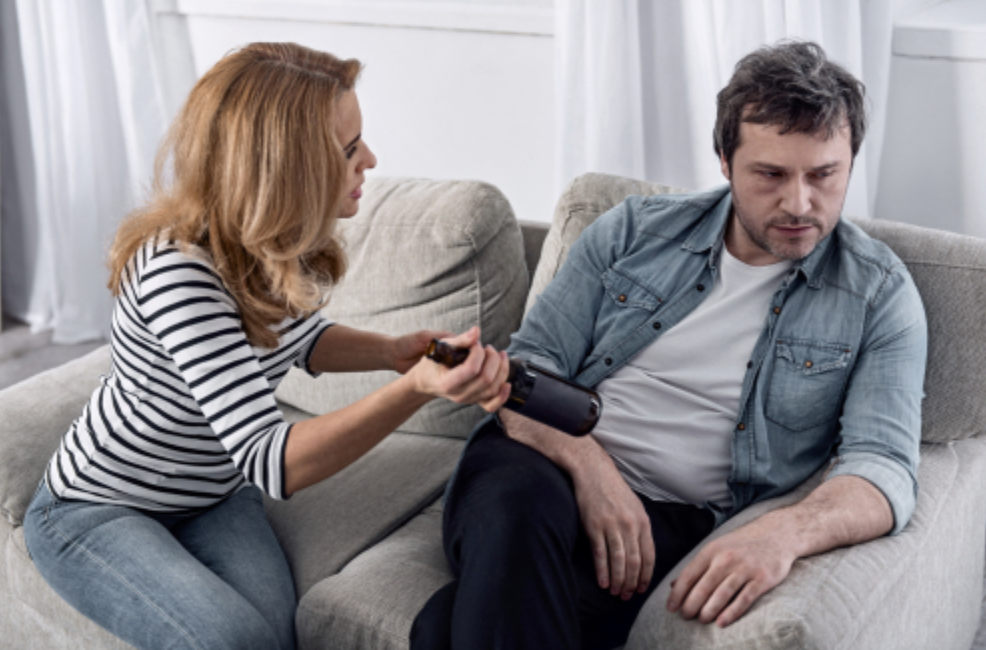
Signs Your Partner Has a Drinking Problem
Signs Your Partner Has a Drinking Problem (How to Know When Alcohol Is Affecting Your Relationship)
If you’ve started wondering whether your partner’s drinking has become a problem, it’s usually because something doesn’t feel right.
You may be noticing small changes that are difficult to explain. A shift in mood, distance in communication, or a growing sense of unease when alcohol is involved.
Many people search:
- is my partner drinking too much
- how do I know if my partner has a drinking problem
- when does drinking become a problem in a relationship
If alcohol is creating confusion or emotional strain, you can explore support here:
Explore Individual Counselling Support
For many people in Dubai, Abu Dhabi, and globally, the challenge is not always obvious. Drinking doesn’t have to be constant or extreme to begin affecting a relationship.
When Drinking Crosses the Line
Alcohol becomes a problem not based on how often someone drinks—but on how it impacts their behaviour, their emotions, and the relationship itself.
As highlighted in your content , alcohol abuse is often defined by the consequences rather than the quantity. This means someone can appear “functional” while still creating emotional instability at home.
You may find yourself questioning:
- is this normal?
- am I overreacting?
- should I be concerned?
These questions are often the first sign that something deeper is happening.
Emotional and Behavioural Signs to Look For
One of the clearest indicators is a shift in behaviour when alcohol is involved.
Your partner may become more withdrawn, irritable, or unpredictable. Conversations that would normally be calm may turn into arguments, or they may disengage completely.
There can also be a noticeable change in emotional availability. You may feel like you cannot fully connect with them, especially in the evenings or at times when drinking is involved.
Over time, this can create a sense of distance in the relationship, even if nothing dramatic has happened.
Promises That Don’t Last
Another common sign is repeated promises to cut down that are not followed through.
Your partner may say they will drink less, only drink on certain days, or stop altogether. But over time, those promises fade, and the same pattern returns.
This creates a cycle of:
- hope
- disappointment
- frustration
And it can leave you feeling emotionally drained and unsure what to believe.

Minimising and Denial
When concerns are raised, drinking problems are often minimised.
You may hear:
- “It’s not that bad”
- “Everyone drinks”
- “You’re overreacting”
- “You have your own issues with alcohol”
- “Your projecting your childhood on to me.”
This can make you question your own perspective and feel unsure about what is real.
Denial is not always intentional. It is often a way for the person to avoid facing something difficult. But it still leaves you carrying the emotional weight.
Secrecy or Changes in Behaviour
As drinking patterns develop, there may be subtle signs of secrecy.
This can include:
- hiding alcohol
- being unclear about how much they’ve had
- changes in routine or behaviour
These signs are often small at first, but they can create a growing sense of mistrust.
The Impact on You
One of the most important indicators is how their drinking is affecting you.
You may feel:
- anxious or on edge
- responsible for managing the situation
- emotionally disconnected
- unsure how to bring it up
Over time, this can lead to overthinking, stress, and a loss of confidence in your own feelings.
When to Take It Seriously
If you are consistently feeling uncomfortable, unsettled, or emotionally affected by your partner’s drinking, it is worth taking seriously.
You do not need a label like “alcoholic” or “alcohol use disorder” for it to matter.
If it is impacting your sense of safety, connection, or wellbeing, it is already important.
What You Can Do Next
If you recognise these signs, the next step is not to try to control your partner’s behaviour—but to focus on your own clarity and support.
This means:
- acknowledging what you are experiencing
- becoming clear about your boundaries
- getting support for yourself
If you are unsure how to approach this or feel emotionally overwhelmed, individual support can help you process what is happening and decide your next steps with confidence:
Explore Individual Counselling Support
You can also read more about what to do if your partner drinks too much here:
What to Do If Your Partner Drinks Too Much
Moving Forward
If you’re searching:
- signs your partner has a drinking problem
- how to know if alcohol is affecting your relationship
- what to do about partner drinking
The most important thing is not to ignore what you feel.
Awareness is the first step.
And from that awareness, you can begin to make clear, grounded decisions that protect your emotional wellbeing.
Work With Nicola Beer – Relationship & Emotional Wellbeing Specialist in Dubai

Nicola Beer is an international relationship therapist who specialises in helping individuals navigate relationship challenges, emotional overwhelm, and situations involving alcohol and behavioural patterns.
Working with clients in Dubai, Abu Dhabi, and globally online, she supports people who are:
- worried about their partner’s drinking
- feeling anxious, confused, or emotionally affected
- struggling with communication or boundaries
- experiencing overthinking or stress in their relationship
- wanting clarity and emotional strength
Her approach focuses on helping you understand your situation clearly, reconnect with your inner stability, and make empowered decisions about your relationship.
If you want clarity and support:
Explore Individual Counselling