
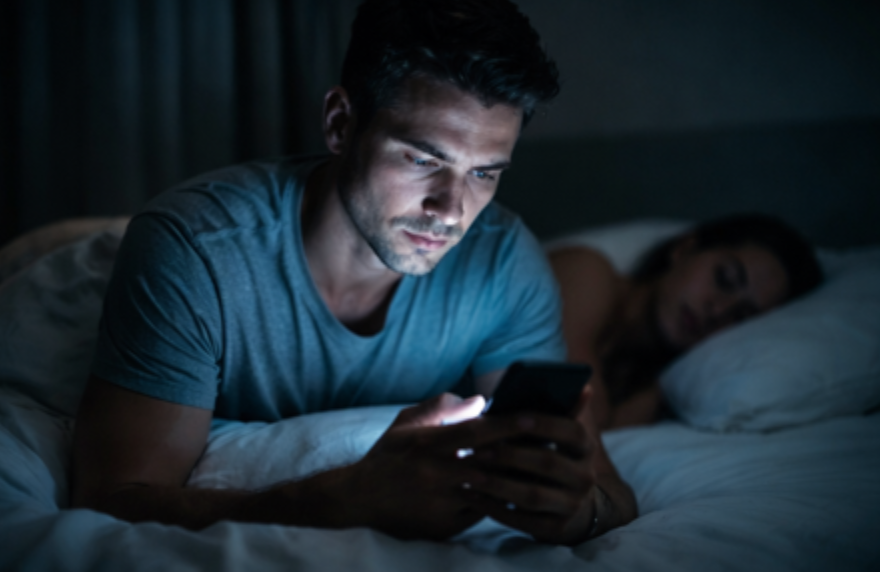
Digital Cheating in Relationships
Digital Cheating in Relationships: Why It Happens & How to Recover
Discovering that your partner has been engaging in digital cheating—whether through sexting, secret pornography use, or hidden online conversations—can feel just as painful as physical betrayal.
It is not only about what they did. It is the secrecy behind it, the shock of discovering something you were not aware of, and the sudden loss of trust that follows.
For many people, this kind of betrayal feels confusing because it exists in a space that is often minimised. It did not happen physically, yet the emotional impact can feel just as real, and sometimes even harder to process.
Digital cheating is now one of the most common forms of betrayal in modern relationships, and also one of the most misunderstood.
If you are struggling to make sense of what has happened or how to move forward, working with a relationship counsellor or exploring marriage counselling in Dubai or couples therapy in Dubai can help you regain clarity and emotional stability.
What Is Digital Cheating?
Digital cheating refers to any emotional or sexual behaviour that is directed outside the relationship in a hidden or secretive way.
What defines it is not just the action itself, but the lack of openness and the impact it has on the relationship. When something is kept hidden, when it replaces connection, or when it creates emotional distance, it begins to affect trust.
This can take many forms. It may involve messaging, sharing intimate content, forming emotional connections online, or engaging in behaviours that are kept separate from the relationship.
What matters most is how it affects you and the sense of safety within the relationship.
The Spectrum of Digital Cheating
Digital cheating rarely starts at its most extreme point. It often develops gradually.
It can begin with passive engagement, such as consuming content without interaction. Over time, it may shift into communication, flirting, or emotional connection. In some cases, it escalates into ongoing conversations or explicit exchanges that carry emotional or sexual meaning.
The more interactive and secretive the behaviour becomes, the greater the impact on trust and emotional safety.
Because this progression can be gradual, it is often not recognised as a problem until it has already created distance in the relationship.
Why Digital Cheating Happens
One of the biggest misconceptions is that digital cheating always means something is missing in the relationship.
In reality, the drivers are often internal.
In my work as a counsellor supporting individuals and couples through relationship challenges, including marriage counselling in Dubai and couples therapy in Dubai, I often see that these patterns are linked to deeper emotional or behavioural dynamics rather than a lack of love.
For some, it is driven by habit and dopamine. Online platforms are designed to provide constant stimulation and novelty, which can create a pattern of seeking quick emotional or mental reward. Over time, this becomes a default way of coping with stress or boredom.
For others, it is a form of emotional avoidance. Instead of facing difficult feelings such as stress, loneliness, or insecurity, they disconnect and distract. Digital interaction becomes an escape rather than a conscious choice.
There can also be a link to validation and self-worth. Online attention can create a temporary sense of being desired or important. This can be especially powerful if someone is struggling internally, even if the relationship itself is stable.
What often happens is a gradual escalation. What starts as something small can develop into more frequent, more interactive, and more emotionally engaging behaviour over time.
When It Becomes a Problem
The shift from habit to problem is usually felt emotionally before it is clearly understood.
You may begin to notice a change in the relationship. A sense of distance, reduced emotional connection, or a feeling that something is not quite right.
There may be increased secrecy around devices, defensiveness when questions are asked, or repeated patterns that are dismissed rather than addressed.
Intimacy can also be affected. Not just physically, but emotionally. Conversations may feel less present. Connection may feel harder to access. And you may find yourself overthinking, questioning, or trying to understand what is happening.
This is often when people begin searching for answers, trying to determine whether what they are experiencing “counts” as cheating.
The Emotional Impact of Digital Cheating
What makes digital cheating particularly difficult is the psychological impact.
Because it is not always clearly defined, it can leave you feeling unsure of your own reaction. You may question whether you are overreacting, while at the same time feeling deeply hurt.
There can be a strong sense of comparison, imagining who the other person is, what was said, and what it means about you. This can affect your self-esteem, your sense of security, and your ability to trust.
For many people, this leads to anxiety, intrusive thoughts, and emotional instability within the relationship.
How to Recover From Digital Cheating
Recovery is possible, but it requires honesty and clarity from both people.
The first step is acknowledging what has happened without minimising it. Even if the behaviour was digital, the emotional impact is real and needs to be recognised.
Understanding why it happened is also essential. Without addressing the underlying pattern, the behaviour is likely to repeat in a different form.
Rebuilding trust takes time. It is not created through reassurance alone, but through consistent behaviour, transparency, and a willingness to have open conversations—even when they are uncomfortable.
For many couples, working with a counsellor or engaging in couples therapy in Dubai can provide a structured space to rebuild trust, improve communication, and understand the deeper dynamics within the relationship.
Moving Forward
If you are dealing with digital cheating, it is important to trust your experience.
If it feels like a betrayal, if it has affected your sense of safety, or if it has created emotional distance, then it matters.
You do not need to minimise it in order to move forward.
Clarity, support, and honest communication are what allow healing to begin.

Why It Hurts So Much
The impact is real.
You may experience:
- intrusive thoughts
- anxiety and overthinking
- sleep disruption
- loss of trust
- questioning your worth
This can be a form of betrayal trauma.
If you’re struggling with anxiety or intrusive thoughts,
Can a Relationship Recover After Digital Cheating?
Yes—but not by ignoring it.
Recovery requires:
1. Full Accountability
Taking responsibility and understanding the impact.
2. Breaking the Pattern
Identifying triggers and changing behaviour.
3. Rebuilding Trust Through Action
Consistency, transparency, and follow-through over time.
4. Individual Healing
Both partners need support:
- one to process betrayal
- one to change behaviour patterns
When to Get Professional Support
If this cycle continues, or you feel stuck:
patterns are deeper than communication
trust isn’t rebuilding
emotions feel overwhelming
Structured support can help you move forward properly.
You can explore relationship counseling support here:
Relationship CounselingDubai or Online
Or individual counseling in Dubai here
Individual Counselling Dubai or Online
Work With Nicola Beer – Relationship Counsellor & Affair Recovery Specialist

Nicola Beer is an international relationship counselor and founder of a globally recognised approach to healing relationships, rebuilding trust, and breaking destructive patterns.
She works with individuals and couples both in Dubai, and globally online, helping with:
- Affair recovery and betrayal trauma
- Sexting, porn addiction, and digital cheating
- Emotional disconnection and communication breakdown
- Anxiety, overthinking, and relationship insecurity
Nicola’s approach focuses on rapid transformation, combining emotional healing, behaviour change, and practical tools to create lasting results.
If you’re struggling with:
- trust after cheating
- obsessive thoughts about your partner’s behaviour
- feeling disconnected or stuck
You can get support here:
Relationship & Couples Support
Ready to Gain Clarity or Rebuild Trust?
If you’re navigating online infidelity and don’t know how to move forward: